


Insight
Easy and Accurate information about Plastic surgery
Knowledge
Correcting Puffiness and Hollows Without External Scars
Surgery| 이나연| 2026.10.26
Under-Eye Fat Repositioning: Correcting Puffiness and Hollows
Without External Scars.
After the age of 40, many people begin to notice changes in the under-eye area.
Fat pads may start to protrude, while the tear trough beneath them becomes more
pronounced. This can make the face look tired and the eyes appear older.
One of the main concerns before surgery is the possibility of visible scars.
However, in under-eye fat repositioning, the incision is made on the inner
surface of the lower eyelid, through the conjunctiva. As a result, no external
skin scars are left.
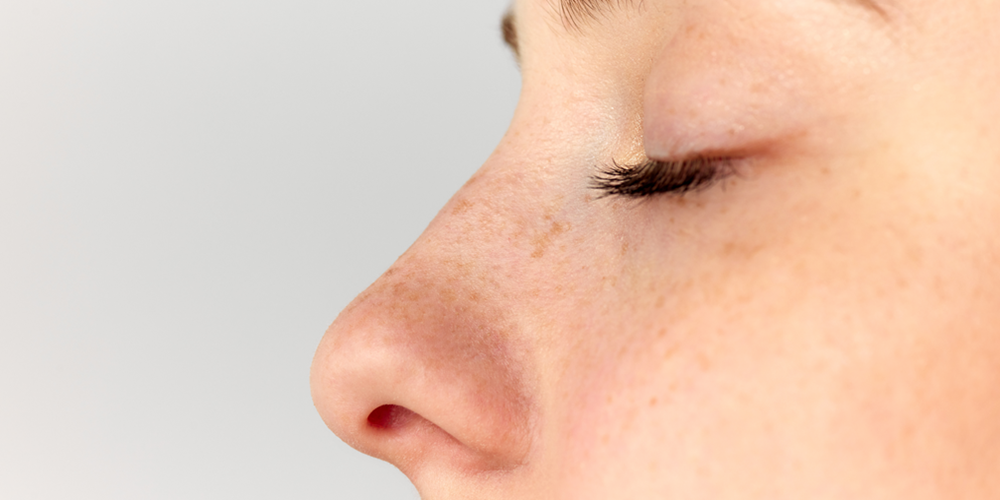
How Is the Procedure Performed?
Rather than simply removing the protruding fat, the surgeon repositions it into
the hollow area of the tear trough. This technique helps reduce under-eye
puffiness while softening hollows, preserving the natural contours of the lower
eyelids.
What Is the Recovery Process Like?
Swelling usually decreases noticeably within the first week.
After approximately two weeks, the under-eye area generally looks more
natural, although complete recovery may take longer.
External stitches usually do not need to be removed, as the incision is made
through the conjunctiva.
During the first two weeks, eye drops should be used as prescribed by the
doctor. Under the clinic's protocol described here, they are administered four
times a day. Sauna use and alcohol consumption should be avoided for 2–3 weeks.
Who Is a Suitable Candidate for This Procedure?
Under-eye fat repositioning can help correct protruding fat pads and hollows
beneath the eyes without an external incision. If there is also significant
sagging of the lower eyelid skin, the doctor may recommend considering lower
blepharoplasty as an additional procedure.
The most appropriate surgical approach is determined individually following a
consultation with the surgeon.
 Editor_Luna


